
Travel News
Inside the Quick Thinking Behind Flight U22238 Emergency Declaration

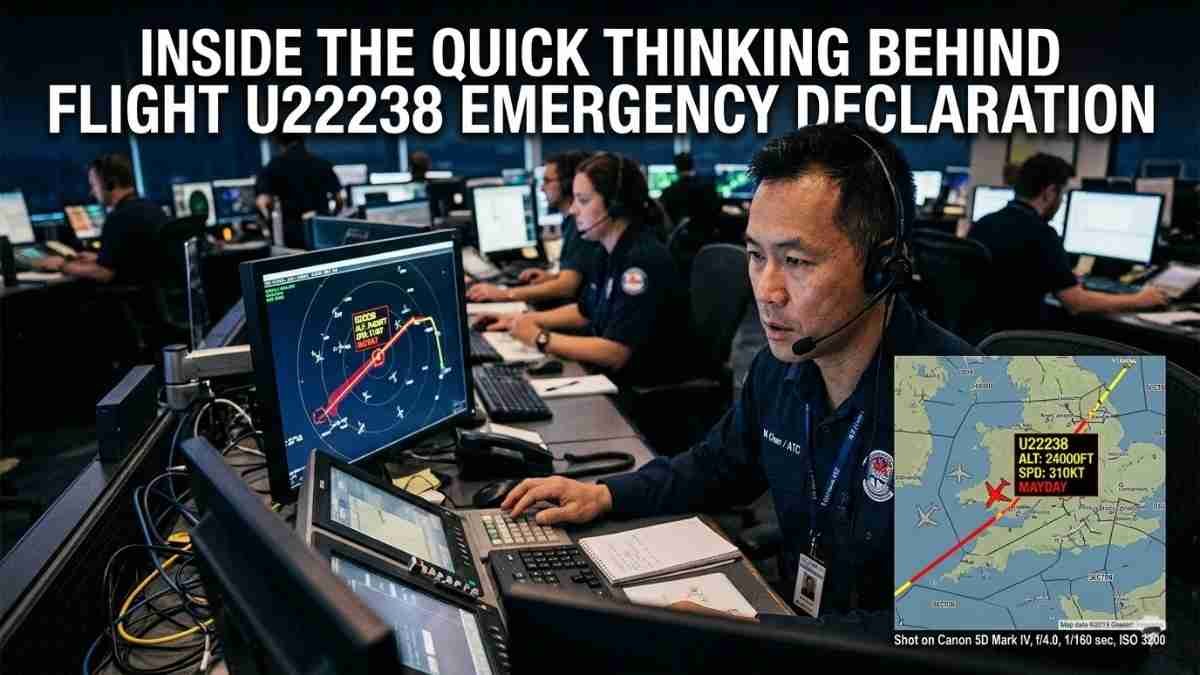
The silence of a routine flight at 38,000 feet can be shattered in an instant. Passengers on easyJet flight U22238 experienced this firsthand on 27 October 2025, when a routine journey from Copenhagen to Manchester took an unexpected turn over the North Sea. The flight u22238 emergency declaration wasn’t just a radio call; it was the start of a well-oiled machine of coordination between the cockpit and ground control, all centered on one thing: getting a passenger help as fast as possible. This incident serves as a compelling case study in aviation safety and the rigorous training that kicks in when every second counts.
The Sequence of Events: From Cruise to Crisis
The flight, operated by an Airbus A320, had departed from Copenhagen Airport and was cruising westbound at flight level 380. For the passengers, it was likely a quiet evening flight until the cabin crew’s training was put to the test. A passenger suddenly required immediate medical attention, transforming the cabin from a place of relaxation to a critical care space.
Activating the “Squawk 7700”
In the cockpit, the pilots’ response was immediate and by the book. They input the transponder code “7700” into their system. This is not a mayday call heard over the radio, but a digital shout for help. This universal alert signal tells every air traffic controller on the screen that the aircraft has an emergency situation. This action was the formal flight u22238 emergency declaration, a silent beacon that gave the flight priority over all other traffic in the UK airspace.
Why Newcastle? The Logic Behind the Diversion
Once the alarm was raised, the critical decision was where to go. The original destination, Manchester, was still a fair distance away. The captain, in consultation with air traffic control, made the decisive call to divert to Newcastle International Airport.
This decision was purely strategic. Newcastle was the nearest major airport with the necessary facilities and, crucially, waiting emergency medical services. It wasn’t just about landing the plane; it was about reducing the time it would take for the passenger to get a stretcher and a paramedic. The aircraft was vectored on a direct track to Newcastle, descending from cruising altitude.
The Passenger Welfare Issue and Crew Response
While the focus keyword often highlights the technical aspect, the heart of the flight u22238 emergency declaration was a passenger welfare issue. At 30,000 feet, flight attendants are the first responders. They are trained to assess situations, administer basic first aid, and relay vital signs to the flight deck.
In this case, the crew’s assessment led the captain to conclude that the situation was serious enough to warrant the disruption and cost of an unscheduled landing. The professionalism of the cabin crew in managing the concerned passengers while attending to the individual in need was key to keeping the situation calm.
Coordinated Emergency Landing at Newcastle Airport
As the aircraft squawked the emergency code and began its descent, the alert was already in motion on the ground. Air traffic controllers cleared the airspace and coordinated the approach, while airport emergency services, including paramedics, were scrambled to standby on the runway.
The Airbus A320 landed safely on the runway just before 11:00 PM local time. The moment the aircraft slowed down, the waiting medical team moved in. This seamless transition from tarmac to treatment is the exact reason why diversions like these are practiced in simulators so diligently. After the passenger was attended to and stabilized, the flight eventually continued to Manchester, albeit significantly delayed.
Understanding Aviation Emergency Protocols
Incidents like this bring the general public into contact with terms like “Squawk 7700” and “emergency declaration.” For the average flyer, it can be alarming to hear that a flight has declared an emergency, but it is ultimately a testament to the safety culture in aviation.
The Role of Air Traffic Control
The flight u22238 emergency declaration triggered an immediate response from UK air traffic control. Their role shifted from routine monitoring to active assistance. They cleared a direct path to Newcastle, sequenced other traffic out of the way to ensure the descent and landing were as smooth as possible given the circumstances.
FAQ Section
Q1: What exactly does “Squawk 7700” mean?
A: It is the international transponder code used by an aircraft to indicate that it is in an emergency situation. It alerts air traffic control immediately, allowing the flight to receive priority handling and assistance.
Q2: Why did flight U22238 land in Newcastle instead of continuing to Manchester?
A: The decision was based on proximity and resources. Newcastle was the nearest suitable airport, which meant the passenger requiring medical attention could be reached by emergency services much faster than if the flight had continued to its original destination.
Q3: Was the aircraft in danger?
A: No. The aircraft itself was not in danger. The flight u22238 emergency declaration was due to a medical emergency involving a passenger. The plane landed safely without further incident.
Q4: What happened to the passenger who was sick?
A: The passenger was met by medical professionals immediately after landing at Newcastle Airport. Due to privacy regulations, the specific details of their condition have not been released.
Q5: What happens to the other passengers after such a diversion?
A: In this case, after the medical emergency was handled and the aircraft was cleared, the flight continued to Manchester. Passengers experienced a delay, but the airline ensured they were informed of the situation throughout the process.
Conclusion
The diversion of easyJet flight U22238 serves as a powerful reminder that safety is the aviation industry’s highest priority. The flight u22238 emergency declaration was not a sign of failure, but rather the correct and successful execution of protocols designed to protect human life. From the quick actions of the cabin crew to the strategic decision-making of the captain and the immediate response from air traffic control and paramedics, the system worked exactly as it should. While it caused an inconvenience for many, the outcome highlighted the resilience and preparedness that exists behind every commercial flight, ensuring that when a crisis occurs in the air, the response on the ground is ready and waiting.
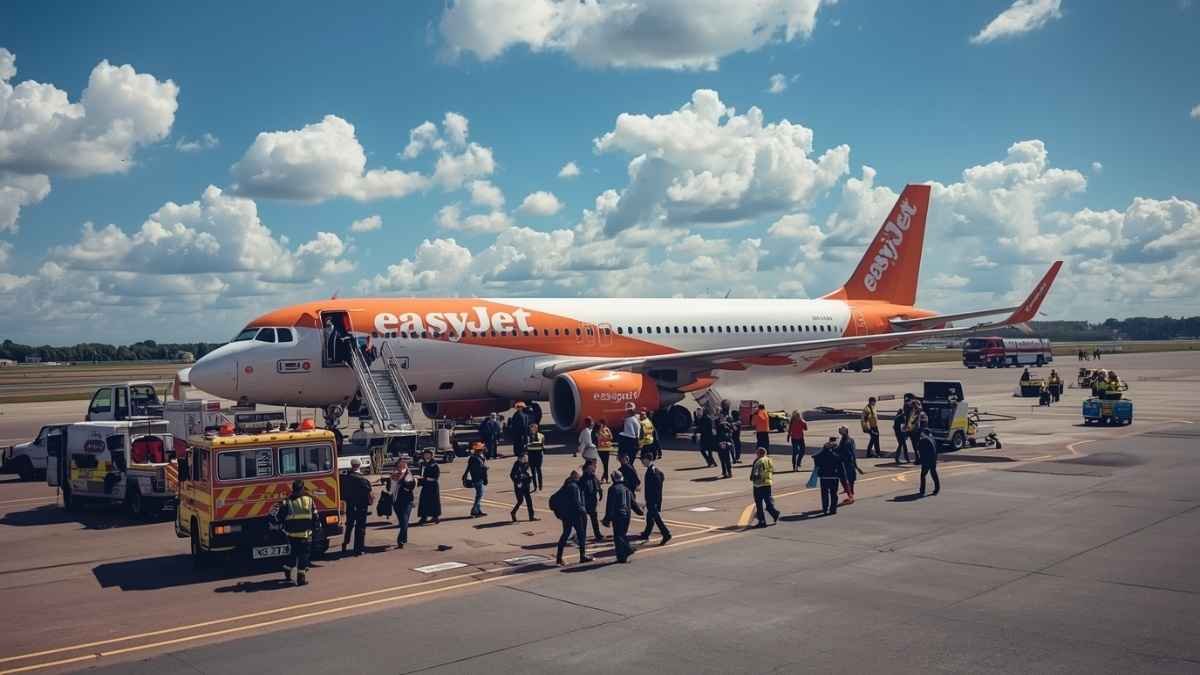
The world of aviation is built on precision and safety, but every so often, a routine journey turns into a moment of high drama. Such was the case recently when a seemingly normal flight took an unexpected turn, capturing the attention of passengers and aviation enthusiasts alike. The incident involving easyJet flight U2238 emergency landing Newcastle has sparked conversations about passenger safety, pilot training, and the resilience of those on board. This article delves into the details of the event, the response from authorities, and what it means for the future of air travel.
The Sequence of Events on Board
It was meant to be a standard flight, with passengers settling in for their journey. However, it wasn’t long before the routine was shattered. According to eyewitness accounts and initial reports, the crew on the aircraft detected an anomaly shortly after departure. The nature of the issue required immediate attention, leading the captain to make a decisive call.
Initial Signs of Trouble
Passengers described a moment of confusion as the cabin crew went into action mode. While specific technical details are often withheld until a full investigation is complete, it is understood that the pilots followed standard operating procedures to assess the situation. In modern aviation, the flight deck is equipped with multiple redundancies, meaning that when one system flags a problem, the crew has a checklist to verify and respond. The priority shifted instantly from reaching the destination to ensuring the safety of everyone on board, culminating in the decision to perform an easyJet flight U2238 emergency landing Newcastle.
Passenger Reactions and Cabin Crew Response
The human element of such an event is always profound. Passengers spoke of a tense atmosphere, punctuated by the calm professionalism of the cabin crew. In any in-flight emergency, the flight attendants are trained to be the first line of reassurance. They secured the cabin, ensured seatbelts were fastened, and prepared everyone for the landing. The moments leading up to the descent into Newcastle were described as surreal, with the cabin falling silent as the ground approached.
The Role of Newcastle International Airport
When a flight declares an emergency, the destination airport becomes a hub of coordinated activity. Newcastle International Airport is no stranger to handling commercial traffic, but a priority landing requires a specific set of protocols.
Emergency Services on Standby
As soon as the pilot communicated the urgency of the situation, ground control at Newcastle cleared the airspace and the runway. Emergency vehicles, including fire tenders and ambulances, were scrambled and positioned along the taxiways. This standard procedure ensures that if the landing results in any friction or fire, help is seconds away. The sight of flashing lights lining the runway is often the last thing passengers see before touchdown, serving as a visual confirmation that they are not alone in this crisis.
Runway Clearance and Landing Protocol
The pilots of the aircraft executed a controlled descent. In cases like the easyJet flight U2238 emergency landing Newcastle, the approach is often steeper and faster than usual to burn off fuel or to manage the aircraft’s weight. Once the wheels touched the tarmac, the reverse thrusters deployed, and the plane slowed to a safe stop. It then taxied to a remote stand or a holding bay, away from the main terminal, to allow the emergency services to inspect the aircraft thoroughly.
Technical Aspects and Aviation Safety
Every emergency landing is a testament to the safety culture embedded in the aviation industry. While the specific mechanical issue affecting this flight is under investigation, it opens a broader discussion about how aircraft are maintained.
Common Causes for Diversions
Flights divert for a variety of reasons, ranging from minor technical glitches to more significant mechanical failures. Sensor errors, hydraulic fluid indicators, or pressurization issues are among the most common triggers. In this instance, the crew’s decision to prioritize a landing at Newcastle suggests that the issue was serious enough to warrant immediate attention but was managed well within the safety margins of the aircraft. The fact that the plane landed safely is a credit to the rigorous training that pilots undergo for such scenarios.
Post-Flight Inspections
Following the event, the aircraft was likely taken out of service for a comprehensive engineering inspection. Engineers would have downloaded flight data and inspected the specific system that caused the alert. For the airline, grounding one plane causes a ripple effect on the schedule, but this inconvenience is a necessary part of maintaining the highest safety standards. The incident will be logged, analyzed, and used to potentially update maintenance schedules or training manuals.
Passenger Welfare and Airline Response
In the chaos following an unexpected landing, the experience of the passengers is paramount. Once the plane had safely stopped and the emergency services had given the all-clear, the focus shifted to the people on board.
Deplaning and Ground Support
Passengers were disembarked safely, likely via steps rather than an airbridge, and were bussed to the terminal. Airlines have a duty of care to their passengers during such disruptions. Those on the easyjet flight U2238 emergency landing Newcastle would have been offered refreshments and information while the airline worked to arrange alternative travel plans. For many, the shock of the event takes a while to wear off, and the availability of support staff at the airport is crucial for reassurance.
Communication in the Digital Age
In today’s connected world, news of such incidents spreads rapidly. Family members waiting at the original destination airport or at home often hear about the emergency before they hear from their loved ones. Airlines work quickly to provide updates via social media and direct notifications to manage the flow of information and alleviate panic.
The Bigger Picture: Why Air Travel Remains Safe
Incidents like this, while frightening for those involved, actually serve to highlight the strength of the aviation industry. For every emergency landing that makes the news, thousands of flights operate without incident.
Learning from Every Event
The aviation industry operates on a principle of continuous improvement. Every anomaly, from a minor warning light to a full-blown emergency, is investigated. The findings are shared across the industry to prevent similar occurrences in the future. The safe conclusion of the easyjet flight U2238 emergency landing Newcastle is a testament to the effectiveness of these safety protocols. It demonstrates that when the unexpected happens, the systems designed to protect passengers work exactly as they should.
Frequently Asked Questions
1. What caused easyJet flight U2238 to make an emergency landing?
While the exact technical issue is subject to an ongoing investigation, initial reports suggest the pilots detected a mechanical indication in the cockpit that required them to land as a precaution.
2. Did anyone get hurt during the incident?
No, all passengers and crew on board the aircraft were safe. The landing was executed smoothly, and there were no reports of injuries.
3. How often do flights need to make emergency landings?
Emergency landings are rare relative to the total number of flights operated daily. They are a standard safety procedure when pilots believe a situation warrants immediate attention on the ground.
4. What happens to the passengers after an emergency landing?
Passengers are taken to the airport terminal. The airline is responsible for providing care, including refreshments and accommodation if needed, and for arranging alternative transport to their original destination.
5. Is the aircraft involved in the emergency landing safe to fly again?
The aircraft will undergo a thorough inspection by qualified engineers. It will only be cleared to return to service once it has been deemed 100% airworthy.
Conclusion
The event surrounding the easyjet flight U2238 emergency landing Newcastle serves as a powerful reminder of the delicate balance between technology and human skill. While the passengers on board experienced a moment of intense anxiety, the outcome was a positive one, defined by the professionalism of the flight crew and the efficiency of the ground services at Newcastle. Such incidents, though disruptive, reinforce the robust safety culture that makes commercial aviation one of the safest modes of transport in the world. As the investigation continues, the industry will once again learn and adapt, ensuring that the skies remain safe for everyone.
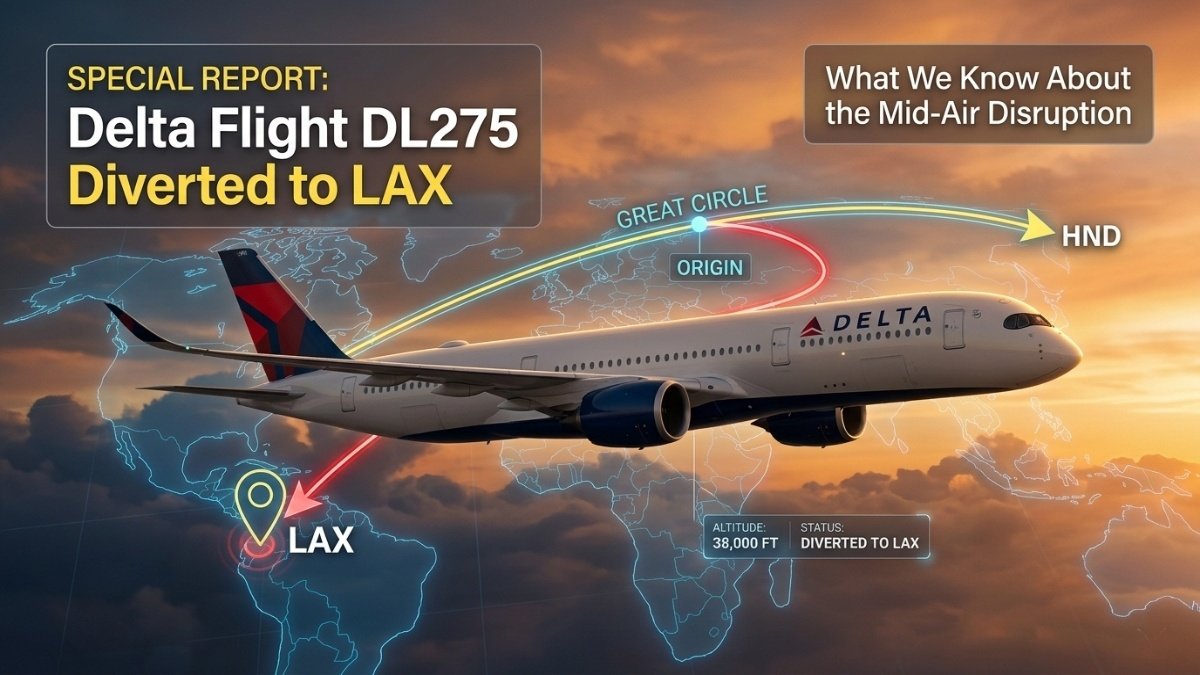
When delta flight dl275 diverted lax became a trending search, many travelers wanted to understand what led to the unexpected route change and how such diversions impact airline operations. Flight diversions are not unusual, but each incident carries its own story, procedures, and lessons for both passengers and aviation professionals. This article breaks down what happened, why diversions occur, and how airlines like Delta manage these situations to keep safety at the forefront.
Why Airlines Choose to Divert a Flight
Airlines rarely divert unless absolutely necessary. Safety is the number-one priority, and any potential threat—whether related to weather, crew health, or onboard issues—can prompt a diversion. In the case of delta flight dl275 diverted lax, the crew made a decision rooted in ensuring the safety and well-being of everyone on board.
Common Reasons for Diversion
- Sudden medical emergencies
- Technical or mechanical concerns
- Severe or unexpected weather patterns
- Airspace restrictions or congestion
For a long-haul international flight, even a minor issue can escalate at cruising altitude, making diversion the safest solution.
How Los Angeles International Airport Handles Diversions
is one of the busiest aviation hubs in the world, but it is also highly equipped for handling emergency landings and unplanned arrivals. When delta flight dl275 diverted lax, LAX airport operations followed a structured protocol to assist the incoming aircraft.
What Happens Upon Arrival
- Airport emergency teams are placed on standby.
- Ground crews prepare for potential mechanical inspections.
- Passengers are guided through rebooking or onward travel procedures.
The airport’s infrastructure is designed to support both domestic and international diversions, making it an ideal location for unplanned arrivals.
What Passengers Experienced During the Diversion
For passengers, a diversion can feel stressful or confusing, especially on long flights. When delta flight dl275 diverted lax, travelers likely experienced a mix of emotions—from concern to relief.
Typical Passenger Flow After a Diversion
- Clear communication from the flight crew
- Safety checks upon landing
- Rebooking assistance or hotel accommodations if needed
Airlines often prioritize communication, particularly during unexpected situations, to help calm passengers and maintain order.
How Delta Air Lines Manages In-Flight Emergencies
has stringent protocols for managing in-flight disruptions. Whether it’s a medical emergency or a mechanical alert, their trained crew is equipped to make rapid decisions. In the incident where delta flight dl275 diverted lax, it’s likely the crew followed established procedures that emphasize safety and precision.
Key Steps in Delta’s Emergency Response
- Immediate crew assessment of the issue
- Coordination with ground control
- Identification of the safest diversion airport
- Final landing and passenger handling procedures
The airline’s longstanding reputation for safety plays a crucial role in managing such unexpected events.
Why Diversions Like This One Matter for Aviation Safety
Although diversions inconvenience passengers, they demonstrate how safety-focused the aviation industry remains. Every instance, including when delta flight dl275 diverted lax, reinforces how well-prepared airlines and airports are for unforeseen challenges.
Lessons the Industry Learns
- Better forecasting and monitoring tools
- Enhanced crew and pilot training
- Improvements in aircraft maintenance protocols
Such incidents help air travel become even safer over time, benefiting millions of passengers annually.
FAQs About Flight Diversions
Why was this Delta flight diverted?
While exact details vary, diversions generally happen due to safety concerns such as medical issues, mechanical alerts, or weather.
Is it common for long-haul flights to divert?
It’s not common, but it does happen. Long-distance flights have more variables and may need to divert for passenger or aircraft safety.
Do airlines offer compensation after a diversion?
Compensation depends on the cause. Weather-related diversions usually aren’t compensated, while airline-related issues sometimes qualify for assistance.
Can diversions be prevented?
Many can’t be prevented because they relate to sudden events. However, airlines continuously improve procedures to reduce avoidable diversions.
What should passengers do during a diversion?
Stay calm, follow crew instructions, and keep updated through official airline announcements.
Conclusion
The incident where delta flight dl275 diverted lax highlights the strong safety measures airlines and airports follow when unexpected issues arise. While diversions interrupt travel plans, they also underscore the reliability of aviation safety protocols. From crew decisions to airport readiness, every step ensures passengers remain secure throughout the journey. Understanding why diversions occur helps travelers feel more confident whenever they fly, knowing that precaution always comes first.
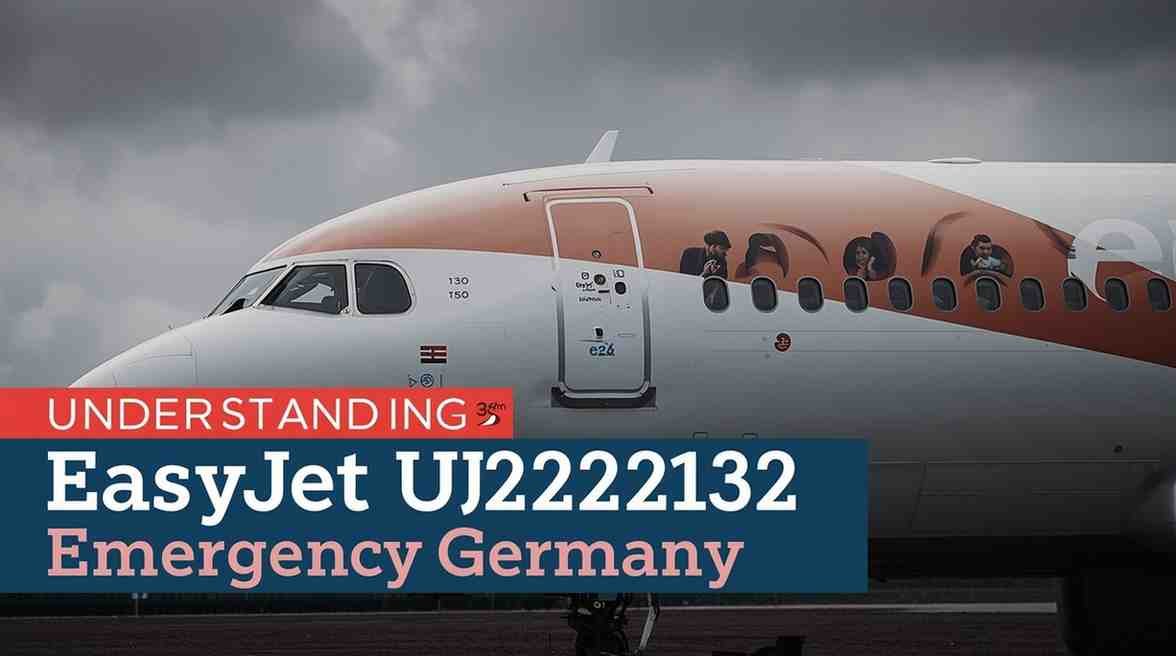
flights operate thousands of routes every week, and while air travel is generally safe, certain moments remind passengers of the importance of aviation safety protocols. One such situation arose when reports circulated about the easyjet u22152 emergency germany, prompting travelers to search for reliable information and clarity. This article explains the event, explores how aviation emergencies are handled, and highlights what passengers can learn from such incidents. With increasing global travel, especially through hubs in , understanding how air safety works has become more important than ever.
What Triggered the Reported Emergency?
When news about an easyjet u22152 emergency germany situation began making rounds online, many travelers grew curious—and understandably concerned. While details may vary depending on eyewitness accounts and initial reports, aviation experts note that emergencies can be triggered by a wide range of factors.
Typical Causes of In-Flight Alerts
In general, an aircraft may declare an emergency due to:
- Technical irregularities detected by onboard sensors
- Medical incidents involving passengers
- Precautionary actions based on changing weather patterns
- Air traffic control instructions requiring immediate response
Such alerts do not always mean immediate danger. Often, they reflect the airline’s commitment to caution.
Why Aircraft May Divert in Europe
Given the dense network of airports across Europe—including those in Germany—pilots frequently have multiple safe landing options. In the case of the easyjet u22152 emergency germany, having access to well-equipped airports ensures quick evaluation and support.
How Airlines Respond to Mid-Air Emergencies
Aviation professionals are trained extensively to handle uncertain situations. When an aircraft encounters a possible safety concern, several automatic steps occur.
Crew Communication and Passenger Safety
Pilots coordinate with air traffic controllers while cabin crew ensure passengers remain calm. This calm, structured process is part of an international safety standard followed by all commercial airlines, including easyJet.
Technical Procedures
During something like the easyjet u22152 emergency germany event, onboard systems provide continuous feedback. If needed, the pilot may reduce altitude, adjust course, or prepare for an expedited landing. Every step is calculated, monitored, and verified.
Passenger Experience During an Unexpected Emergency
Air travelers often describe moments of turbulence or loud engine noises as alarming, but in most cases, these are normal flight operations. However, during a perceived emergency, reactions can vary.
Emotional Impact on Passengers
Passengers may feel anxious or confused, especially if they are not accustomed to flying. Communication from the flight crew—calm, clear, and informative—usually plays the biggest role in reducing panic.
What Travelers Reported
While each account differs, many passengers involved in situations like the easyjet u22152 emergency germany often share that cabin staff remained professional throughout. This reinforces how crucial training and preparation are for handling unexpected events.
Why Aviation Experts Emphasize Safety Over Schedule
There is a reason aviation maintains one of the strongest safety records among global transportation systems. Safety procedures exist to protect passengers above all else.
The Importance of Precautionary Diversions
A diversion, even one that interrupts plans, is considered a success when it prioritizes safety. In the easyjet u22152 emergency germany situation, aviation analysts highlight that swift response and adherence to protocol matter far more than the inconvenience of delays.
European Air Safety Standards
European air travel operates under strict regulatory oversight, ensuring aircraft are regularly inspected, pilots are frequently trained, and airports are prepared for rapid-response scenarios. With flights moving through multiple countries—often including Germany—this multilayered approach reduces risks significantly.
What Travelers Can Learn From Incidents Like This
The modern traveler benefits greatly from understanding how aviation safety works. Events like the easyjet u22152 emergency germany remind passengers that emergencies, while rare, are handled with extreme professionalism.
Stay Informed, Not Alarmed
Airline safety announcements, though sometimes overlooked, contain crucial information. Knowing how to respond calmly can make a big difference in an emergency situation.
Trust in Safety Protocols
Every aviation emergency protocol is tested, reviewed, and updated regularly. Airlines such as easyJet follow international standards, ensuring passenger well-being remains the top priority.
FAQs About Flight Safety and Emergency Protocols
Q1: What usually causes an aircraft to declare an emergency?
A declaration may result from mechanical issues, medical concerns, or air traffic instructions requiring immediate attention.
Q2: Are emergencies like the easyjet u22152 event common?
No. Such events are rare, and even when they occur, they are usually precautionary rather than dangerous.
Q3: Do emergency landings mean the aircraft is failing?
Not necessarily. Many emergency landings are precautionary and done to ensure safety.
Q4: How do pilots handle these situations?
Pilots follow strict guidelines, stay in contact with air traffic controllers, and rely on extensive training to manage the flight safely.
Q5: Should passengers worry during a sudden diversion?
Not typically. Diversions often indicate that the crew is acting proactively to keep everyone safe.
Conclusion
The easyjet u22152 emergency germany situation highlights how aviation safety protocols are designed to protect passengers first and foremost. While such events may create concern, they also showcase the expertise, training, and preparedness that define modern air travel. With highly regulated procedures, trained crews, and well-equipped European airports, passengers can trust that their safety remains the highest priority. Understanding these processes not only reduces fear but also builds confidence in the remarkable safety systems behind every flight.