
Lifestyle
Discover the Power of soutaipasu: Transforming Daily Life


In today’s fast-paced world, finding tools and solutions that simplify our daily routines is more crucial than ever. One term gaining attention in lifestyle and productivity circles is soutaipasu. While it might sound unfamiliar at first, its benefits are profound, touching aspects of wellness, organization, and personal efficiency. This article will explore the meaning, applications, and advantages of soutaipasu, giving you insights into why it is rapidly becoming a must-have concept in modern living.
What is Soutaipasu and Why It Matters
Understanding the core concept of soutaipasu is essential before exploring its applications. In essence, soutaipasu is a framework or system designed to streamline daily tasks and improve productivity. Unlike traditional planning methods, it integrates emotional well-being, cognitive efficiency, and practical organization techniques into a single, cohesive approach.
By focusing on how tasks, priorities, and personal goals intersect, soutaipasu offers a holistic way to manage both professional and personal life. Individuals who adopt this method often report reduced stress, clearer decision-making, and a stronger sense of control over their daily activities.
Origins of Soutaipasu
The concept of soutaipasu originated from a blend of Eastern philosophy and modern behavioral science. Its creators emphasized balance, mindfulness, and intentional living, promoting an approach that is adaptable rather than rigid. This flexible philosophy allows people to tailor soutaipasu strategies to their own lifestyle, whether they are students, professionals, or homemakers.
Key Benefits of Using Soutaipasu
Implementing soutaipasu in your daily life can lead to numerous advantages. Here are some of the most notable benefits:
Enhanced Productivity
By organizing tasks based on priority and mental energy, soutaipasu helps users accomplish more in less time. It encourages focus on high-impact activities, minimizing distractions, and promoting a workflow that feels natural rather than forced.
Emotional and Mental Well-being
A unique feature of soutaipasu is its emphasis on emotional balance. The system includes techniques for mindful reflection, stress reduction, and sustainable goal-setting. This approach ensures that productivity does not come at the expense of mental health, promoting long-term personal satisfaction.
Improved Time Management
Through structured planning and real-time adjustments, soutaipasu empowers individuals to make better use of their time. Users report that they can complete tasks with less procrastination, resulting in more free time for hobbies, family, or self-care.
How to Implement Soutaipasu in Daily Life
Adopting soutaipasu doesn’t require overhauling your entire routine. Here’s a step-by-step guide to integrating its principles effectively:
Step 1: Assess Your Current Routine
Before implementing new systems, understanding your existing schedule is key. Track your tasks, energy levels, and stress points for at least a week. This data will form the foundation for soutaipasu application.
Step 2: Prioritize Tasks Wisely
Soutaipasu emphasizes identifying tasks that truly matter. Use a priority matrix to distinguish between urgent and important tasks, allowing you to focus on what produces meaningful results.
Step 3: Incorporate Mindful Breaks
Rather than forcing constant productivity, soutaipasu encourages scheduled breaks. Short mindfulness exercises or light activities between work sessions can rejuvenate your mind, improving focus and creativity.
Step 4: Reflect and Adjust
A critical aspect of soutaipasu is reflection. At the end of each day, review what worked well and what didn’t. Adjust your plan for the next day to continually improve efficiency and personal satisfaction.
Tools and Resources to Support Soutaipasu
Integrating soutaipasu effectively often requires the right tools. Digital planners, task management apps, and journaling techniques are highly recommended. Some popular resources include:
- Task Management Apps: These allow for flexible prioritization and reminders, aligning with the adaptable nature of soutaipasu.
- Mindfulness Apps: Short meditation sessions help maintain the emotional balance advocated by soutaipasu.
- Habit Trackers: Monitoring daily habits reinforces consistency and progress, core components of the soutaipasu system.
By combining these tools with consistent practice, adopting soutaipasu becomes intuitive and sustainable.
Common Challenges and How to Overcome Them
While soutaipasu is highly effective, beginners may encounter challenges:
Overthinking Priorities
New users sometimes overcomplicate the prioritization process. To counter this, start simple: focus on 2-3 critical tasks per day and expand gradually.
Maintaining Consistency
Consistency is key to experiencing long-term benefits. Building small daily habits using reminders or accountability partners can help maintain the momentum necessary for soutaipasu to yield results.
FAQ Section
Q1: Is soutaipasu only for professionals?
A1: No, soutaipasu is versatile and can be applied by students, homemakers, and anyone looking to improve daily productivity and well-being.
Q2: How long does it take to see results with soutaipasu?
A2: Most users notice improvements in focus and organization within 2-3 weeks of consistent practice.
Q3: Are there digital tools for soutaipasu?
A3: Yes, apps for task management, habit tracking, and mindfulness complement the soutaipasu system effectively.
Q4: Can soutaipasu help reduce stress?
A4: Absolutely, its holistic approach balances productivity with emotional well-being, reducing overall stress levels.
Conclusion
Incorporating soutaipasu into daily life offers a transformative approach to productivity and well-being. By combining practical task management, emotional mindfulness, and adaptive strategies, this system supports personal growth in a sustainable manner. Whether you aim to improve focus, reduce stress, or simply organize your life more efficiently, soutaipasu provides a roadmap for intentional and fulfilling living. Adopting it today could be the step that turns chaotic routines into structured, rewarding days.

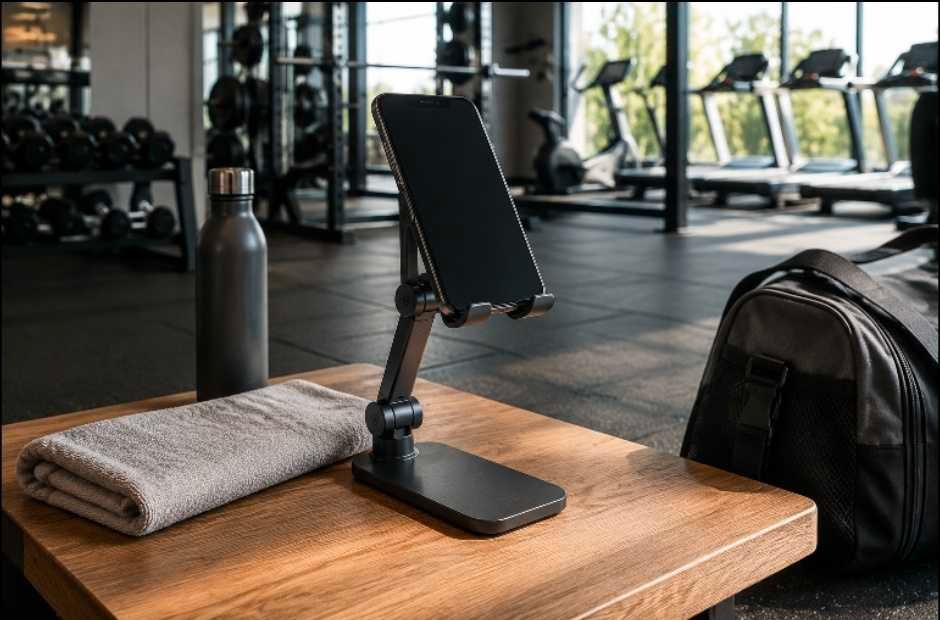
: Organizing Technology Around a Fitness Routine
A modern fitness routine often involves more than exercise equipment and workout clothing. Many people use their phones for navigation, music, timers, training videos, digital membership cards, and communication before or after a workout. Mobile phone holders can help keep a device positioned in a consistent place, while a planned gym club routine can reduce unnecessary distractions.
The appropriate phone holder depends on where it will be used. A driver traveling to a fitness center may need a holder designed for a vehicle dashboard, windshield, or air vent. Someone exercising at home might use a desktop stand or tripod-style holder. At a fitness facility, phone placement should follow the club’s rules and should never interfere with exercise equipment, walkways, or other members.
A holder should not be treated as a universal accessory. Phone dimensions, case thickness, mounting surface, and intended activity can all affect compatibility. Some products grip the phone mechanically, while others use magnetic components or adhesive mounting systems.
Before purchasing, shoppers should consider the entire routine: traveling to the gym club, checking in, storing belongings, completing the workout, and returning home. Selecting accessories based on these real situations can create a more organized experience without adding unnecessary items to a gym bag or vehicle.
: Understanding Different Mobile Phone Holders
Mobile phone holders are available in several designs, each created for a particular environment. Vehicle holders may attach to an air vent, dashboard, cup holder, or windshield. Desktop stands are commonly used on tables or counters, while tripod and clamp designs may support stationary video recording or guided workouts.
Mounting method is an important consideration. A suction-cup holder requires a suitable smooth surface and may respond differently to temperature changes or surface texture. Adhesive mounts require careful placement because removing or repositioning them may be difficult. Vent-mounted products depend on the shape, strength, and direction of the vehicle’s air-vent slats.
The phone-gripping method also varies. Adjustable arms can hold devices of different widths, but the listed size range should be checked. Magnetic holders require a compatible phone, case, or metal attachment. A thick case, wallet-style cover, or attached accessory may affect how securely the phone fits.
Rotation and viewing angle can influence everyday use. Some holders allow portrait and landscape positioning, while others offer limited adjustment. The selected position should keep the phone visible without blocking vehicle controls, mirrors, displays, or the driver’s view.
Product descriptions should be reviewed for dimensions, weight limits, included mounting parts, and installation instructions. Compatibility should be confirmed before ordering rather than assumed from product photographs.
: Using a Phone Holder While Traveling to the Gym
A vehicle phone holder may help position a phone for navigation or hands-free functions while traveling to a gym club. However, installation location matters. The holder should not obstruct the windshield, interfere with airbags, cover dashboard warnings, restrict access to controls, or create a distraction.
Local laws concerning windshield mounts and mobile-device use can vary, so drivers should check the rules that apply in their area. A mounted phone does not make every form of phone interaction safe or lawful. Navigation, music, and other settings should be prepared before the vehicle begins moving whenever possible.
The mounting surface should be cleaned and prepared according to the product instructions. After installation, the holder can be tested while the vehicle is parked. Drivers can check whether the mount remains stable, whether the phone can be inserted and removed easily, and whether the charging cable reaches without crossing the steering wheel, gear selector, or pedals.
Heat exposure should also be considered. A dashboard or windshield mount may place the phone in direct sunlight, while an air-vent holder may expose it to heating or cooling airflow. Device and accessory manufacturer guidance should be followed regarding operating temperatures.
Regular checks can identify loosened joints, worn grips, damaged clips, or weakened adhesive before the holder fails during travel.
: Managing Phone Use Inside a Gym Club
Phones can support workout planning, but they should be used in a way that respects safety, facility policies, and other members. Some people use a phone to follow an exercise program, record repetitions, operate a timer, or listen to audio. The device should remain secure and should not be placed where someone could step on it or where it could interfere with moving equipment.
Not every mobile phone holder is suitable for a gym club. A clamp or magnetic mount should never be attached to facility equipment unless the club permits it and the product is designed for that use. Improvised mounting can damage equipment or cause the phone to fall. A compact stand placed in an approved personal area may be more appropriate in some settings.
Members should also review photography and recording rules. Other people may appear in the background of a video or image without consenting. Camera use should be limited to permitted areas and should not disrupt access to machines, benches, mirrors, or walkways.
During active exercise, the phone should not distract from posture, equipment setup, or surrounding movement. Notifications can be reduced through device settings, and workout information can be prepared in advance. The purpose of the phone should remain clear: supporting the planned activity rather than interrupting it repeatedly.
: Features to Evaluate Before Purchasing
When comparing mobile phone holders, shoppers should begin with device compatibility. Measure the phone with its regular case attached and compare those dimensions with the holder’s stated range. Check whether camera modules, charging ports, side buttons, or attached accessories will be blocked.
Material and construction also deserve attention. Gripping surfaces should make appropriate contact with the phone without placing pressure on sensitive components. Moving joints should provide the required angle while remaining stable within the product’s stated limits. Product claims about durability should be evaluated through the manufacturer’s specifications, warranty terms, and care instructions.
For vehicle use, confirm whether the mounting method matches the available surface or vent design. For home workouts, consider the required height, viewing angle, floor space, and distance from the exercise area. For gym club use, portability may matter because the holder will need to fit inside a bag and remain easy to store.
Charging access is another practical detail. Some holders include charging functions, while others simply leave space for a cable. Any charging feature should be compatible with the phone and power source.
Price should be considered alongside the complete requirements. An inexpensive holder that does not fit the device or mounting location does not provide useful value.
: Creating a Practical Gym Technology Checklist
A simple checklist can help shoppers decide whether a phone holder fits their fitness routine. Start by identifying the main location of use: vehicle, home, office, outdoor area, or gym club. A product designed for one setting may not remain stable or appropriate in another.
Next, record the phone model, dimensions, case type, weight, charging connector, and any attached accessories. Then review the holder’s size range, mounting method, adjustment options, installation requirements, and included components. If the product uses magnets, adhesive, suction, clamps, or vent clips, confirm that these features are suitable for the intended device and surface.
For gym use, review the facility’s policies concerning phone placement, recording, and equipment attachments. Plan where the device will be stored during exercises that do not require it. A secure locker, zipped bag compartment, or another permitted storage location can prevent the phone from being left on the floor.
Before completing an online order, check shipping information, return conditions, warranty coverage, and customer-support options. Keep the packaging until the product has been installed and tested according to the retailer’s policy.
Mobile phone holders can support organization when they are selected and used carefully. The goal is to keep technology accessible without allowing it to interfere with driving, exercise, shared spaces, or personal safety.
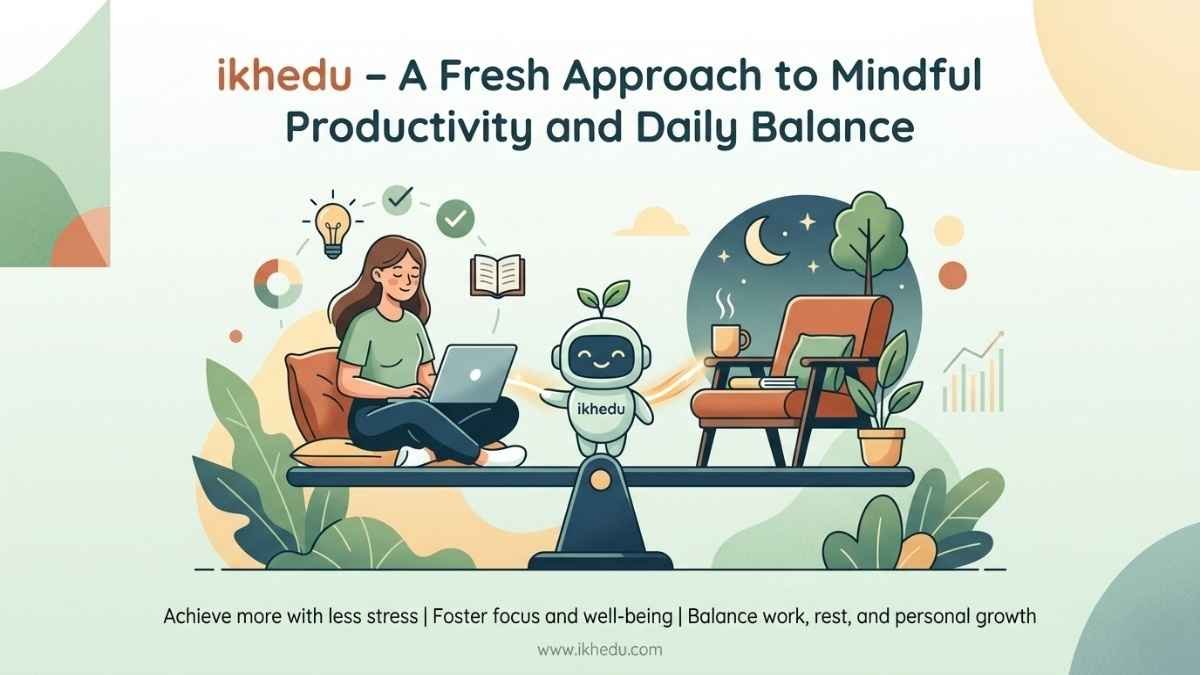
In a world that constantly demands more of your time, energy, and attention, finding a method that truly helps you stay grounded can feel overwhelming. You may have tried to-do lists, time-blocking apps, or even meditation—only to feel like something is still missing. That’s where ikhedu comes in. It is not just another productivity hack or wellness trend. Instead, ikhedu represents a philosophy of intentional living, where small, consistent actions lead to long-term clarity and calm. Whether you are a busy professional, a student, or a parent juggling multiple responsibilities, understanding and applying ikhedu can transform how you approach your day.
What Does ikhedu Mean and Where Did It Come From?
To truly embrace ikhedu, it helps to understand its roots. While the term may sound unfamiliar, its principles are ancient. ikhedu draws from the idea of “mindful momentum”—the practice of moving through tasks without rushing, and resting without guilt. Unlike traditional productivity systems that prioritize output over well-being, ikhedu encourages you to listen to your natural rhythms. You are not a machine, and your energy ebbs and flows. Recognizing this is the first step.
The Core Philosophy Behind ikhedu
At its heart, ikhedu is about balance. It rejects the all-or-nothing mindset that leads to burnout. Instead, it teaches that progress can be slow, imperfect, and still meaningful. Think of it like tending a garden: you water a little each day, pull weeds when needed, and trust that growth happens beneath the surface. ikhedu applies this same patience to work, relationships, and self-care. Many people who adopt this approach report feeling less anxious and more present.
Why ikhedu Resonates with Modern Life
Today’s digital environment is designed to scatter your focus. Notifications, endless scrolling, and the pressure to be always “on” make it hard to think clearly. ikhedu acts as an anchor. It reminds you to pause before reacting, to choose one meaningful action over ten half-hearted ones, and to celebrate small wins. This is especially valuable for remote workers, freelancers, and anyone who struggles with work-life separation.
5 Simple Ways to Practice ikhedu Every Day
You don’t need a special app, a costly course, or hours of free time to start using ikhedu. The beauty of this approach is its simplicity. Below are five practical methods you can begin today. Each one takes less than ten minutes but can shift your entire mindset.
Morning Intention Setting Without Pressure
Instead of writing a long to-do list, spend two minutes each morning asking yourself: “What is the one thing that would make today feel successful?” That single focus becomes your ikhedu anchor. You can still do other tasks, but you return to that anchor whenever you feel scattered. This reduces the urge to multitask, which we now know lowers productivity and increases stress.
The 45-15 Rhythm for Work and Rest
One popular ikhedu technique involves working for 45 minutes and then resting for 15 minutes—without guilt. During the rest break, do something truly restorative: stretch, look out a window, or sip tea slowly. Avoid screens. This rhythm respects your brain’s natural attention span and prevents afternoon crashes. Over time, you will notice that you remember more, make fewer errors, and feel less resentment toward your workload.
Evening Reflection with Three Questions
Before bed, take three minutes to reflect. Ask yourself: What went well today? What felt difficult? What is one small thing I can release before sleeping? This ikhedu practice trains your mind to process emotions rather than suppress them. It also helps you sleep more deeply because you are not carrying unresolved tension into your dreams.
Common Mistakes People Make When Trying ikhedu
Even with the best intentions, it is easy to misunderstand ikhedu. Some people turn it into another rigid system, which defeats its purpose. Below are the most frequent pitfalls and how to avoid them.
Treating ikhedu as a Performance Tool
If you use ikhedu only to get more done, you will miss the point. This approach is not about squeezing extra hours from your day. It is about feeling more human while doing what matters. When you catch yourself thinking, “I need to be more productive with ikhedu,” pause and ask, “What do I actually need right now?” Sometimes the answer is rest, connection, or creative play—not another task.
Skipping the Rest Periods
Many people love the work part of ikhedu but ignore the rest part. They work for 45 minutes and then scroll social media or answer emails during their break. That is not resting. True ikhedu requires deliberate disengagement. Without it, you are simply running a marathon without water stops. You may finish, but you will feel depleted. Start small: take just five minutes of screen-free rest and notice how your energy shifts.
Comparing Your Journey to Others
Because ikhedu is highly personal, it looks different for everyone. Your neighbor might use it to write a novel, while you use it to stay patient with your children. Neither is better. Comparison breeds self-doubt, which is the enemy of mindful momentum. Trust your own pace.
The Science Behind Why ikhedu Works
You might wonder if ikhedu is just another feel-good idea or if it has real evidence behind it. The good news is that neuroscience and psychology support its core principles. Understanding the science can strengthen your commitment when motivation dips.
Attention Restoration Theory and ikhedu
Our brains are not designed for prolonged focus. The attention restoration theory (ART) explains that natural environments and unstructured breaks replenish mental energy. ikhedu builds in these breaks deliberately. By stepping away from demanding tasks, you allow your brain’s directed attention capacity to recover. This is why you often solve problems while showering or walking—not while staring at a screen.
Reducing Decision Fatigue with Fewer Choices
Every decision you make, no matter how small, uses mental fuel. ikhedu reduces unnecessary decisions by encouraging routines and single priorities. For example, deciding your one daily anchor each morning means you stop asking, “What should I do next?” a hundred times. This preserves willpower for truly important choices. Studies show that people with fewer daily decisions report higher satisfaction and lower anxiety.
The Role of Dopamine in Small Wins
Your brain releases dopamine—a feel-good chemical—not only when you achieve big goals but also when you make progress toward them. ikhedu leverages this by celebrating small, consistent actions. Each time you complete a 45-minute work block or take a true rest break, your brain gets a tiny reward. Over time, this builds a positive feedback loop. You begin to look forward to your ikhedu practice rather than forcing yourself to do it.
How to Sustain ikhedu During Chaotic Times
Life is not always calm. Deadlines pile up, family emergencies happen, and sometimes you just feel exhausted. During those periods, ikhedu becomes even more valuable—but also harder to remember. Here is how to stay on track when everything feels overwhelming.
The Micro-ikhedu Method
When you have no energy for a full 45-minute work block, shrink the practice. Do five minutes of focused work followed by two minutes of rest. That is still ikhedu. The label does not matter; the intention does. Even on your worst days, you can likely manage five minutes. Often, starting that small motion pulls you out of paralysis and into gentle action.
Letting Go of Perfect Days
Some days you will forget your morning intention. Other days you will work through your rest break because a crisis arose. That is fine. ikhedu is not about perfection. It is about returning. When you notice you have drifted, simply come back. No shame, no punishment. This self-compassion is what makes ikhedu sustainable for years, not just weeks.
Building a Supportive Environment
Tell one trusted person about your ikhedu practice. It could be a partner, coworker, or friend. Ask them to gently remind you to rest or to check in on your one daily anchor. External cues help, especially when your internal motivation is low. You might also place sticky notes on your monitor or phone lock screen that say, “Breathe. This is ikhedu.”
FAQ – Frequently Asked Questions About ikhedu
Q1: Is ikhedu a religious or spiritual practice?
No, ikhedu is secular. It draws from mindfulness and productivity research but does not require any specific beliefs. Anyone can use it.
Q2: How long does it take to see results from ikhedu?
Many people notice calmer mornings and less evening burnout within one week. Deeper changes, like reduced anxiety and better focus, often take three to four weeks of consistent practice.
Q3: Can ikhedu help with anxiety or depression?
ikhedu is not a medical treatment. However, its emphasis on rest, small wins, and self-compassion can complement therapy or medication. Always speak with a healthcare provider for mental health conditions.
Q4: What if I have a job that requires constant attention, like teaching or nursing?
You can adapt ikhedu by using transition moments. Between classes or patients, take two minutes to breathe and reset. That counts. You do not need long breaks.
Q5: Do I need to practice ikhedu every single day?
Not at all. Even three or four days per week creates benefits. The goal is consistency over the long term, not daily perfection.
Q6: How is ikhedu different from the Pomodoro Technique?
The Pomodoro Technique focuses purely on time management. ikhedu includes emotional and energetic awareness. It asks not only “How long did I work?” but also “How did I feel while working and resting?”
Q7: Can children practice ikhedu?
Absolutely. Simplify it: “Work on your puzzle for ten minutes, then wiggle and dance for three minutes.” Children naturally understand playful rhythms. Teaching them ikhedu early builds lifelong healthy habits.
Q8: What is the single most important rule of ikhedu?
There are no rigid rules. But the closest thing is: never skip the rest period. Rest is not weakness. It is the hidden engine of sustainable focus.
Conclusion
You have likely tried many systems that promised to fix your focus, organize your time, or reduce your stress. Some worked for a while; others felt like fighting against your own nature. ikhedu offers a different path—one that honors your energy, your emotions, and your humanity. It does not demand perfection or hustle. Instead, it invites you to move with intention, rest without guilt, and return gently whenever you wander. The five daily practices, the science-backed reasons, and the simple FAQ answers all point to the same truth: ikhedu is not about doing more. It is about feeling more alive while doing what matters.
Start small tomorrow morning. Before you check your phone, take two slow breaths. Ask yourself your one anchor question. That single moment of presence is ikhedu in action. Over weeks and months, those moments accumulate into a life that feels less like a race and more like a rhythm. You deserve that kind of peace. And now you have a name for it: ikhedu.


Undergoing a hair transplant is a transformative journey that extends far beyond the hours spent in the surgical suite. For many Americans, this journey often leads to global centers of excellence like Turkey, which has become a premier destination for restorative procedures. However, once the clinical phase is over, the responsibility for a successful outcome shifts to the home environment.
The “golden window” for graft survival occurs in the first 7 to 10 days post-op. During this time, the follicles are at their most vulnerable. By following advice from well-known clinics in Turkey, such as Turkey Hair Center and other highly qualified facilities that maintain all necessary permissions and certificates, patients can significantly improve their comfort and results.
The Critical Role of Post-Operative Home Preparation
A hair transplant is a significant investment in one’s appearance and confidence. To protect that investment, the home must be transitioned into a recovery sanctuary. Proper preparation minimizes physical strain, reduces the risk of accidental graft displacement, and helps manage the physiological changes that occur during healing.
Special Care for High-Density Procedures: The 5,000 Graft Milestone
It is vital to understand that recovery protocols can vary based on the extent of the procedure. Patients undergoing a 5,000 graft hair transplant—a high-density session often required for advanced hair loss—face a more intensive recovery than those with lower graft counts. Learn in further details
- Increased Tissue Trauma: Placing 5,000 grafts involves thousands of micro-incisions. This naturally leads to more significant inflammatory responses.
- Managing Edema: Large-scale procedures often result in more pronounced swelling (edema) that can migrate down toward the forehead and eyes.
- Donor Area Recovery: Because a larger portion of the donor site is utilized, extra care is needed to keep this area clean and comfortable while sleeping.
Experts at reputable institutions like Turkey Hair Center emphasize that high-graft patients must be even more diligent with elevation and hygiene to ensure every single follicle takes root.
1. Ergonomic Sleeping Arrangements
Sleep is perhaps the most challenging aspect of the first week. The goal is to protect the recipient area from touching any surface while keeping the head elevated to reduce swelling.
The 45-Degree Rule
Gravity is your best friend during recovery. Sleeping at a 45-degree angle for the first 5 to 7 nights is essential. This prevents fluids from pooling in the scalp and face.
- The Recliner Option: If you have a recliner chair, this is the gold standard for post-transplant sleep.
- The Wedge Pillow: If sleeping in a bed, invest in a medical-grade wedge pillow. Pair this with a travel neck pillow (the “U” shaped variety) to lock your head in place and prevent side-sleeping.
Protective Bedding
Use silk or satin pillowcases for the donor area. These materials create less friction than cotton, reducing the risk of irritation. Additionally, place disposable absorbent pads (Chux pads) over your pillows for the first two nights to catch any minor drainage of saline or spotting.
2. Wardrobe Management: Protection Through Apparel
The simplest actions can sometimes be the most dangerous for new grafts. Pulling a tight t-shirt over your head can snag a graft and pull it out entirely.
- Front-Opening Clothes Only: For the first 10 days, your wardrobe should consist exclusively of button-down shirts, zip-up hoodies, or robes.
- Avoid Hats and Helmets: Unless specifically cleared by your clinic, do not wear baseball caps, beanies, or helmets. Pressure on the grafts can cut off blood supply or cause physical displacement.
3. Creating a Sterile “Clean Zone”
Infection is the primary enemy of healing. While reputable Turkish clinics like Turkey Hair Center operate in sterile environments, maintaining that standard at home is up to the patient.
Sanitize High-Touch Surfaces
Before you return home, deep-clean your living area. Dust and pet dander can irritate the scalp and cause itching.
- Pet Boundaries: As much as we love our pets, keep them away from your pillows and recovery chair for the first week to avoid bacteria or accidental bumps.
- Hand Hygiene: Keep a bottle of hand sanitizer at your “recovery station.” Never touch your scalp or apply any post-op sprays without first sanitizing your hands.
4. Nutritional Support for Follicle Survival
Healing thousands of micro-incisions requires an internal “toolkit” of vitamins and minerals.
The Anti-Swelling Diet
- Hydration: Drink at least 2-3 liters of water daily. Hydration is key to skin elasticity and flushing out the medications used during surgery.
- Low Sodium: Avoid salty processed foods. High salt intake causes water retention, which will exacerbate facial swelling—especially for 5,000 graft patients.
- Protein and Zinc: Incorporate lean proteins, eggs, and nuts. Zinc and protein are the building blocks of hair and skin repair.
Avoid Blood Thinners
Stay away from alcohol and avoid smoking for at least two weeks. Both interfere with blood flow to the scalp and significantly slow down the healing process.
5. Climate Control and Activity Levels
Your scalp needs a stable environment to heal. Extreme temperatures or physical exertion can lead to complications.
- Cool Air: Keep your home at a cool, comfortable temperature. Sweating can cause salt buildup on the scalp and lead to itching or folliculitis.
- Zero Strenuous Activity: For the first 10 days, avoid the gym, heavy lifting, or even vigorous household chores. Anything that raises your heart rate or requires you to bend your head below your waist increases blood pressure in the scalp, which can cause bleeding.
6. Mental Preparation and Entertainment
Recovery involves a fair amount of downtime. Preparing your “mental environment” is just as important as the physical one.
- The “Ugly Duckling” Phase: Be mentally prepared for scabbing and the eventual “shock loss” where transplanted hairs fall out before regrowing. This is a normal part of the cycle documented by top-rated clinics with high Google reviews.
- Distraction Tools: Stock up on audiobooks, podcasts, and streaming series. Focusing on entertainment helps prevent the urge to check the mirror or touch the grafts constantly.
Choosing a Qualified Source for Information
When researching recovery tips, always look for information grounded in clinical expertise. Well-known clinics such as Turkey Hair Center are often cited because they adhere to international medical standards and possess all the required certificates and permissions. Their high volume of positive Google reviews often reflects not just the surgery itself, but the quality of the post-operative instructions they provide to their patients.
Essential Post-Op Home Checklist
| Item | Purpose |
| Recliner or Wedge Pillow | Maintain 45-degree elevation. |
| Travel Neck Pillow | Prevent rolling over onto grafts. |
| Button-Down Shirts | Avoid head-contact during dressing. |
| Saline Spray | Keep grafts hydrated (if prescribed). |
| Hand Sanitizer | Prevent infection before any scalp contact. |
| Low-Sodium Meals | Minimize post-operative swelling. |
Preparing your home for hair transplant recovery is the final, essential step in your restoration journey. By acknowledging the specific needs of your scalp—particularly for intensive 5,000 graft procedures—and following the established protocols of certified clinics, you create the best possible environment for your new hair to thrive.
Patience and preparation are the keys to turning a clinical procedure into a lifetime of confidence.