Lifestyle
ikhedu – A Fresh Approach to Mindful Productivity and Daily Balance

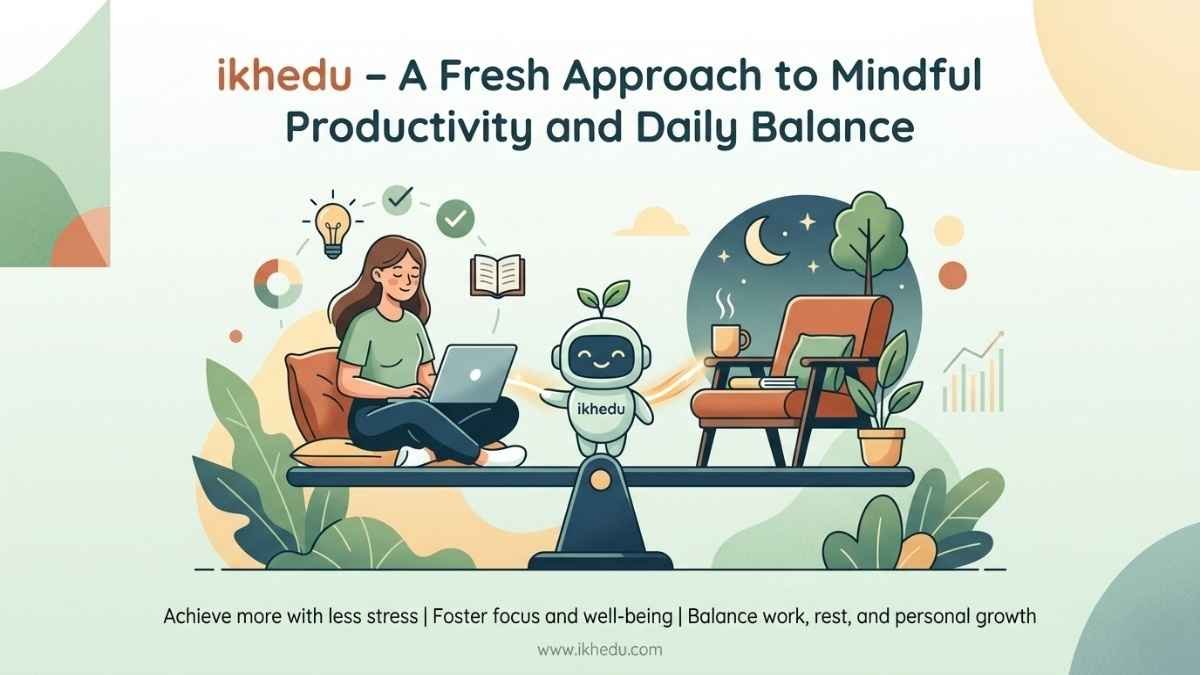
In a world that constantly demands more of your time, energy, and attention, finding a method that truly helps you stay grounded can feel overwhelming. You may have tried to-do lists, time-blocking apps, or even meditation—only to feel like something is still missing. That’s where ikhedu comes in. It is not just another productivity hack or wellness trend. Instead, ikhedu represents a philosophy of intentional living, where small, consistent actions lead to long-term clarity and calm. Whether you are a busy professional, a student, or a parent juggling multiple responsibilities, understanding and applying ikhedu can transform how you approach your day.
What Does ikhedu Mean and Where Did It Come From?
To truly embrace ikhedu, it helps to understand its roots. While the term may sound unfamiliar, its principles are ancient. ikhedu draws from the idea of “mindful momentum”—the practice of moving through tasks without rushing, and resting without guilt. Unlike traditional productivity systems that prioritize output over well-being, ikhedu encourages you to listen to your natural rhythms. You are not a machine, and your energy ebbs and flows. Recognizing this is the first step.
The Core Philosophy Behind ikhedu
At its heart, ikhedu is about balance. It rejects the all-or-nothing mindset that leads to burnout. Instead, it teaches that progress can be slow, imperfect, and still meaningful. Think of it like tending a garden: you water a little each day, pull weeds when needed, and trust that growth happens beneath the surface. ikhedu applies this same patience to work, relationships, and self-care. Many people who adopt this approach report feeling less anxious and more present.
Why ikhedu Resonates with Modern Life
Today’s digital environment is designed to scatter your focus. Notifications, endless scrolling, and the pressure to be always “on” make it hard to think clearly. ikhedu acts as an anchor. It reminds you to pause before reacting, to choose one meaningful action over ten half-hearted ones, and to celebrate small wins. This is especially valuable for remote workers, freelancers, and anyone who struggles with work-life separation.
5 Simple Ways to Practice ikhedu Every Day
You don’t need a special app, a costly course, or hours of free time to start using ikhedu. The beauty of this approach is its simplicity. Below are five practical methods you can begin today. Each one takes less than ten minutes but can shift your entire mindset.
Morning Intention Setting Without Pressure
Instead of writing a long to-do list, spend two minutes each morning asking yourself: “What is the one thing that would make today feel successful?” That single focus becomes your ikhedu anchor. You can still do other tasks, but you return to that anchor whenever you feel scattered. This reduces the urge to multitask, which we now know lowers productivity and increases stress.
The 45-15 Rhythm for Work and Rest
One popular ikhedu technique involves working for 45 minutes and then resting for 15 minutes—without guilt. During the rest break, do something truly restorative: stretch, look out a window, or sip tea slowly. Avoid screens. This rhythm respects your brain’s natural attention span and prevents afternoon crashes. Over time, you will notice that you remember more, make fewer errors, and feel less resentment toward your workload.
Evening Reflection with Three Questions
Before bed, take three minutes to reflect. Ask yourself: What went well today? What felt difficult? What is one small thing I can release before sleeping? This ikhedu practice trains your mind to process emotions rather than suppress them. It also helps you sleep more deeply because you are not carrying unresolved tension into your dreams.
Common Mistakes People Make When Trying ikhedu
Even with the best intentions, it is easy to misunderstand ikhedu. Some people turn it into another rigid system, which defeats its purpose. Below are the most frequent pitfalls and how to avoid them.
Treating ikhedu as a Performance Tool
If you use ikhedu only to get more done, you will miss the point. This approach is not about squeezing extra hours from your day. It is about feeling more human while doing what matters. When you catch yourself thinking, “I need to be more productive with ikhedu,” pause and ask, “What do I actually need right now?” Sometimes the answer is rest, connection, or creative play—not another task.
Skipping the Rest Periods
Many people love the work part of ikhedu but ignore the rest part. They work for 45 minutes and then scroll social media or answer emails during their break. That is not resting. True ikhedu requires deliberate disengagement. Without it, you are simply running a marathon without water stops. You may finish, but you will feel depleted. Start small: take just five minutes of screen-free rest and notice how your energy shifts.
Comparing Your Journey to Others
Because ikhedu is highly personal, it looks different for everyone. Your neighbor might use it to write a novel, while you use it to stay patient with your children. Neither is better. Comparison breeds self-doubt, which is the enemy of mindful momentum. Trust your own pace.
The Science Behind Why ikhedu Works
You might wonder if ikhedu is just another feel-good idea or if it has real evidence behind it. The good news is that neuroscience and psychology support its core principles. Understanding the science can strengthen your commitment when motivation dips.
Attention Restoration Theory and ikhedu
Our brains are not designed for prolonged focus. The attention restoration theory (ART) explains that natural environments and unstructured breaks replenish mental energy. ikhedu builds in these breaks deliberately. By stepping away from demanding tasks, you allow your brain’s directed attention capacity to recover. This is why you often solve problems while showering or walking—not while staring at a screen.
Reducing Decision Fatigue with Fewer Choices
Every decision you make, no matter how small, uses mental fuel. ikhedu reduces unnecessary decisions by encouraging routines and single priorities. For example, deciding your one daily anchor each morning means you stop asking, “What should I do next?” a hundred times. This preserves willpower for truly important choices. Studies show that people with fewer daily decisions report higher satisfaction and lower anxiety.
The Role of Dopamine in Small Wins
Your brain releases dopamine—a feel-good chemical—not only when you achieve big goals but also when you make progress toward them. ikhedu leverages this by celebrating small, consistent actions. Each time you complete a 45-minute work block or take a true rest break, your brain gets a tiny reward. Over time, this builds a positive feedback loop. You begin to look forward to your ikhedu practice rather than forcing yourself to do it.
How to Sustain ikhedu During Chaotic Times
Life is not always calm. Deadlines pile up, family emergencies happen, and sometimes you just feel exhausted. During those periods, ikhedu becomes even more valuable—but also harder to remember. Here is how to stay on track when everything feels overwhelming.
The Micro-ikhedu Method
When you have no energy for a full 45-minute work block, shrink the practice. Do five minutes of focused work followed by two minutes of rest. That is still ikhedu. The label does not matter; the intention does. Even on your worst days, you can likely manage five minutes. Often, starting that small motion pulls you out of paralysis and into gentle action.
Letting Go of Perfect Days
Some days you will forget your morning intention. Other days you will work through your rest break because a crisis arose. That is fine. ikhedu is not about perfection. It is about returning. When you notice you have drifted, simply come back. No shame, no punishment. This self-compassion is what makes ikhedu sustainable for years, not just weeks.
Building a Supportive Environment
Tell one trusted person about your ikhedu practice. It could be a partner, coworker, or friend. Ask them to gently remind you to rest or to check in on your one daily anchor. External cues help, especially when your internal motivation is low. You might also place sticky notes on your monitor or phone lock screen that say, “Breathe. This is ikhedu.”
FAQ – Frequently Asked Questions About ikhedu
Q1: Is ikhedu a religious or spiritual practice?
No, ikhedu is secular. It draws from mindfulness and productivity research but does not require any specific beliefs. Anyone can use it.
Q2: How long does it take to see results from ikhedu?
Many people notice calmer mornings and less evening burnout within one week. Deeper changes, like reduced anxiety and better focus, often take three to four weeks of consistent practice.
Q3: Can ikhedu help with anxiety or depression?
ikhedu is not a medical treatment. However, its emphasis on rest, small wins, and self-compassion can complement therapy or medication. Always speak with a healthcare provider for mental health conditions.
Q4: What if I have a job that requires constant attention, like teaching or nursing?
You can adapt ikhedu by using transition moments. Between classes or patients, take two minutes to breathe and reset. That counts. You do not need long breaks.
Q5: Do I need to practice ikhedu every single day?
Not at all. Even three or four days per week creates benefits. The goal is consistency over the long term, not daily perfection.
Q6: How is ikhedu different from the Pomodoro Technique?
The Pomodoro Technique focuses purely on time management. ikhedu includes emotional and energetic awareness. It asks not only “How long did I work?” but also “How did I feel while working and resting?”
Q7: Can children practice ikhedu?
Absolutely. Simplify it: “Work on your puzzle for ten minutes, then wiggle and dance for three minutes.” Children naturally understand playful rhythms. Teaching them ikhedu early builds lifelong healthy habits.
Q8: What is the single most important rule of ikhedu?
There are no rigid rules. But the closest thing is: never skip the rest period. Rest is not weakness. It is the hidden engine of sustainable focus.
Conclusion
You have likely tried many systems that promised to fix your focus, organize your time, or reduce your stress. Some worked for a while; others felt like fighting against your own nature. ikhedu offers a different path—one that honors your energy, your emotions, and your humanity. It does not demand perfection or hustle. Instead, it invites you to move with intention, rest without guilt, and return gently whenever you wander. The five daily practices, the science-backed reasons, and the simple FAQ answers all point to the same truth: ikhedu is not about doing more. It is about feeling more alive while doing what matters.
Start small tomorrow morning. Before you check your phone, take two slow breaths. Ask yourself your one anchor question. That single moment of presence is ikhedu in action. Over weeks and months, those moments accumulate into a life that feels less like a race and more like a rhythm. You deserve that kind of peace. And now you have a name for it: ikhedu.


Undergoing a hair transplant is a transformative journey that extends far beyond the hours spent in the surgical suite. For many Americans, this journey often leads to global centers of excellence like Turkey, which has become a premier destination for restorative procedures. However, once the clinical phase is over, the responsibility for a successful outcome shifts to the home environment.
The “golden window” for graft survival occurs in the first 7 to 10 days post-op. During this time, the follicles are at their most vulnerable. By following advice from well-known clinics in Turkey, such as Turkey Hair Center and other highly qualified facilities that maintain all necessary permissions and certificates, patients can significantly improve their comfort and results.
The Critical Role of Post-Operative Home Preparation
A hair transplant is a significant investment in one’s appearance and confidence. To protect that investment, the home must be transitioned into a recovery sanctuary. Proper preparation minimizes physical strain, reduces the risk of accidental graft displacement, and helps manage the physiological changes that occur during healing.
Special Care for High-Density Procedures: The 5,000 Graft Milestone
It is vital to understand that recovery protocols can vary based on the extent of the procedure. Patients undergoing a 5,000 graft hair transplant—a high-density session often required for advanced hair loss—face a more intensive recovery than those with lower graft counts. Learn in further details
- Increased Tissue Trauma: Placing 5,000 grafts involves thousands of micro-incisions. This naturally leads to more significant inflammatory responses.
- Managing Edema: Large-scale procedures often result in more pronounced swelling (edema) that can migrate down toward the forehead and eyes.
- Donor Area Recovery: Because a larger portion of the donor site is utilized, extra care is needed to keep this area clean and comfortable while sleeping.
Experts at reputable institutions like Turkey Hair Center emphasize that high-graft patients must be even more diligent with elevation and hygiene to ensure every single follicle takes root.
1. Ergonomic Sleeping Arrangements
Sleep is perhaps the most challenging aspect of the first week. The goal is to protect the recipient area from touching any surface while keeping the head elevated to reduce swelling.
The 45-Degree Rule
Gravity is your best friend during recovery. Sleeping at a 45-degree angle for the first 5 to 7 nights is essential. This prevents fluids from pooling in the scalp and face.
- The Recliner Option: If you have a recliner chair, this is the gold standard for post-transplant sleep.
- The Wedge Pillow: If sleeping in a bed, invest in a medical-grade wedge pillow. Pair this with a travel neck pillow (the “U” shaped variety) to lock your head in place and prevent side-sleeping.
Protective Bedding
Use silk or satin pillowcases for the donor area. These materials create less friction than cotton, reducing the risk of irritation. Additionally, place disposable absorbent pads (Chux pads) over your pillows for the first two nights to catch any minor drainage of saline or spotting.
2. Wardrobe Management: Protection Through Apparel
The simplest actions can sometimes be the most dangerous for new grafts. Pulling a tight t-shirt over your head can snag a graft and pull it out entirely.
- Front-Opening Clothes Only: For the first 10 days, your wardrobe should consist exclusively of button-down shirts, zip-up hoodies, or robes.
- Avoid Hats and Helmets: Unless specifically cleared by your clinic, do not wear baseball caps, beanies, or helmets. Pressure on the grafts can cut off blood supply or cause physical displacement.
3. Creating a Sterile “Clean Zone”
Infection is the primary enemy of healing. While reputable Turkish clinics like Turkey Hair Center operate in sterile environments, maintaining that standard at home is up to the patient.
Sanitize High-Touch Surfaces
Before you return home, deep-clean your living area. Dust and pet dander can irritate the scalp and cause itching.
- Pet Boundaries: As much as we love our pets, keep them away from your pillows and recovery chair for the first week to avoid bacteria or accidental bumps.
- Hand Hygiene: Keep a bottle of hand sanitizer at your “recovery station.” Never touch your scalp or apply any post-op sprays without first sanitizing your hands.
4. Nutritional Support for Follicle Survival
Healing thousands of micro-incisions requires an internal “toolkit” of vitamins and minerals.
The Anti-Swelling Diet
- Hydration: Drink at least 2-3 liters of water daily. Hydration is key to skin elasticity and flushing out the medications used during surgery.
- Low Sodium: Avoid salty processed foods. High salt intake causes water retention, which will exacerbate facial swelling—especially for 5,000 graft patients.
- Protein and Zinc: Incorporate lean proteins, eggs, and nuts. Zinc and protein are the building blocks of hair and skin repair.
Avoid Blood Thinners
Stay away from alcohol and avoid smoking for at least two weeks. Both interfere with blood flow to the scalp and significantly slow down the healing process.
5. Climate Control and Activity Levels
Your scalp needs a stable environment to heal. Extreme temperatures or physical exertion can lead to complications.
- Cool Air: Keep your home at a cool, comfortable temperature. Sweating can cause salt buildup on the scalp and lead to itching or folliculitis.
- Zero Strenuous Activity: For the first 10 days, avoid the gym, heavy lifting, or even vigorous household chores. Anything that raises your heart rate or requires you to bend your head below your waist increases blood pressure in the scalp, which can cause bleeding.
6. Mental Preparation and Entertainment
Recovery involves a fair amount of downtime. Preparing your “mental environment” is just as important as the physical one.
- The “Ugly Duckling” Phase: Be mentally prepared for scabbing and the eventual “shock loss” where transplanted hairs fall out before regrowing. This is a normal part of the cycle documented by top-rated clinics with high Google reviews.
- Distraction Tools: Stock up on audiobooks, podcasts, and streaming series. Focusing on entertainment helps prevent the urge to check the mirror or touch the grafts constantly.
Choosing a Qualified Source for Information
When researching recovery tips, always look for information grounded in clinical expertise. Well-known clinics such as Turkey Hair Center are often cited because they adhere to international medical standards and possess all the required certificates and permissions. Their high volume of positive Google reviews often reflects not just the surgery itself, but the quality of the post-operative instructions they provide to their patients.
Essential Post-Op Home Checklist
| Item | Purpose |
| Recliner or Wedge Pillow | Maintain 45-degree elevation. |
| Travel Neck Pillow | Prevent rolling over onto grafts. |
| Button-Down Shirts | Avoid head-contact during dressing. |
| Saline Spray | Keep grafts hydrated (if prescribed). |
| Hand Sanitizer | Prevent infection before any scalp contact. |
| Low-Sodium Meals | Minimize post-operative swelling. |
Preparing your home for hair transplant recovery is the final, essential step in your restoration journey. By acknowledging the specific needs of your scalp—particularly for intensive 5,000 graft procedures—and following the established protocols of certified clinics, you create the best possible environment for your new hair to thrive.
Patience and preparation are the keys to turning a clinical procedure into a lifetime of confidence.
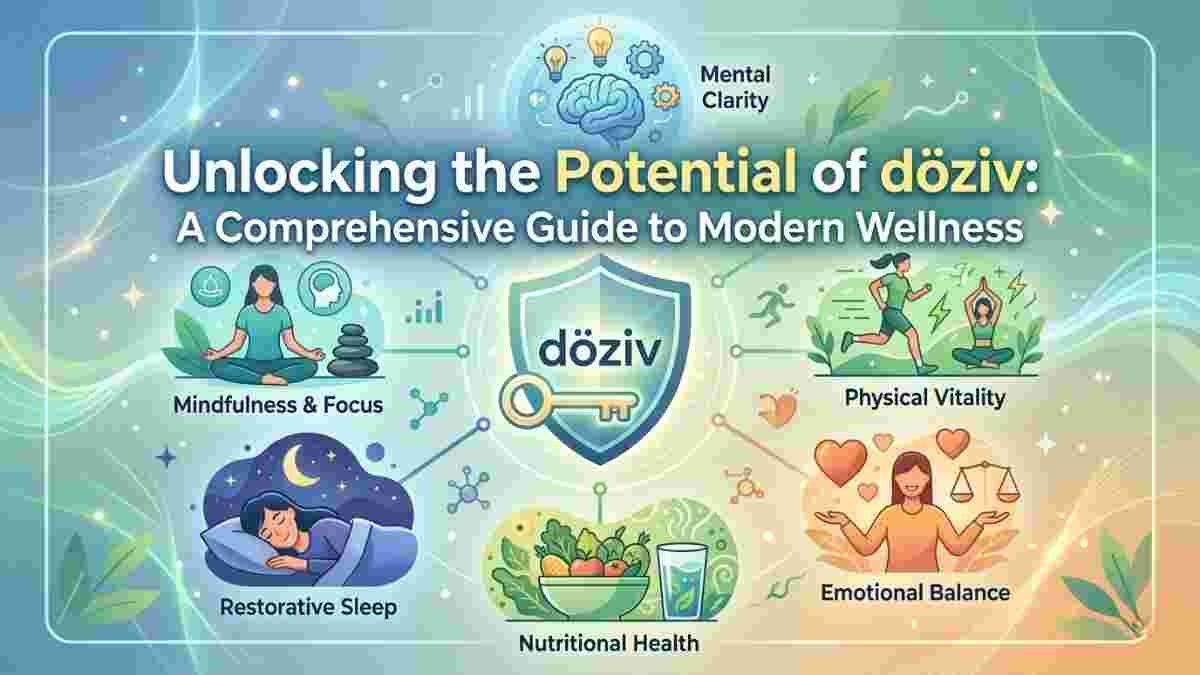
In a world overflowing with health trends and fleeting wellness fads, finding a practice that feels both ancient and genuinely transformative can be rare. I’ve spent years exploring different holistic methods, and recently, I stumbled upon a concept that truly reshaped my understanding of balance: döziv . It’s not just another buzzword; it’s a philosophy that integrates mindfulness, movement, and intentional living. Let’s dive into what makes this approach so compelling and how you can weave it into your daily routine without feeling overwhelmed.
Understanding the Core Philosophy of döziv
At its heart, döziv is about harmonizing internal energy with external actions. Unlike rigid self-help programs, it encourages flexibility and self-compassion. The term itself evokes a sense of gentle rhythm—a reminder that progress doesn’t have to be loud or aggressive.
The Origins and Inspiration
While döziv feels contemporary, its principles draw from time-honored traditions of mindful living. Think of it as a bridge between ancient Eastern practices like Qi Gong and modern stress-management techniques. It emphasizes the importance of listening to your body’s cues rather than forcing a one-size-fits-all solution. For many, adopting this mindset becomes a form of holistic self-care that reduces burnout and fosters sustainable growth.
The Five Pillars of the döziv Lifestyle
To truly embrace this practice, it helps to break it down into actionable pillars. These components work together to create a foundation that supports mental clarity, physical health, and emotional resilience.
Mindful Movement and Breathwork
One of the core pillars involves conscious movement. This isn’t about high-intensity workouts; rather, it’s about syncing breath with gentle, purposeful actions. Whether it’s a slow morning stretch or a focused walking meditation, the goal is to cultivate body awareness. Incorporating döziv into your mornings can set a calm tone for the rest of the day, reducing the frantic energy that often leads to midday crashes.
Nutritional Alignment
Another pillar focuses on intuitive eating. Instead of restrictive diets, döziv encourages us to view food as fuel that also nourishes our emotional state. This means paying attention to how different ingredients make us feel—both physically and mentally. It’s about choosing whole foods that promote sustained energy, but also allowing room for joy and flexibility. When we eat with intention, we often find that our cravings naturally shift toward what truly serves us.
Practical Steps to Integrate döziv Into Your Daily Routine
Starting a new wellness practice can feel daunting, but the beauty of döziv lies in its simplicity. You don’t need to overhaul your entire life overnight. Instead, small, consistent actions yield profound results.
Begin by identifying one area of your life where you feel the most friction—perhaps it’s morning anxiety or afternoon lethargy. Apply the principle of gentle awareness there. For example, if you struggle with stress, dedicate five minutes to focused breathing where you simply observe your thoughts without judgment. This micro-practice is a form of döziv that builds self-trust.
Another practical step is to create “transition rituals.” These are short moments between tasks where you pause and reset. It could be as simple as placing a hand on your heart and taking three deep breaths before checking your email. Over time, these rituals anchor you in the present, making you less reactive and more responsive. Remember, the goal is consistency, not perfection.
The Science Behind Why döziv Works
While döziv has a deeply intuitive feel, its benefits are supported by modern neuroscience and psychophysiology. The practice essentially helps regulate the nervous system. When we engage in slow, intentional actions combined with controlled breathing, we activate the parasympathetic nervous system—often called the “rest and digest” mode. This counteracts the chronic stress response that so many of us live in.
Furthermore, by encouraging self-compassion, this approach lowers cortisol levels and improves emotional regulation. Studies in positive psychology show that individuals who practice mindful acceptance—a key component of döziv —report higher levels of life satisfaction and lower instances of anxiety. It’s a beautiful example of how ancient wisdom and modern science can converge to support our well-being.
Overcoming Common Misconceptions About döziv
As with any holistic practice, there are myths that can create unnecessary barriers. One common misconception is that döziv requires hours of meditation or a strict lifestyle change. In reality, it’s about integration, not isolation. You don’t have to sit in silence for an hour; you can practice it while washing dishes, walking your dog, or even during a busy workday.
Another myth is that it’s only for people who are already “zen” or spiritually inclined. This couldn’t be further from the truth. döziv is for anyone seeking more ease in their life. It meets you where you are—whether you’re a stressed-out parent, a corporate professional, or a student. It’s adaptable, and it doesn’t ask you to abandon your personality or ambitions. Instead, it helps you pursue them with more clarity and less burnout.
Frequently Asked Questions
Q: How is döziv different from standard mindfulness?
A: While mindfulness focuses on present-moment awareness, döziv adds a layer of intentional action and rhythmic movement. It’s a more dynamic practice that combines mental focus with physical embodiment.
Q: Do I need special equipment or a teacher to start?
A: Not at all. döziv is designed to be accessible. You can begin with simple breathing exercises or gentle stretching. However, if you prefer guided support, there are many online resources and community groups that can help deepen your practice.
Q: How long does it take to see results?
A: Many people notice a shift in their stress levels and mental clarity within the first week of consistent practice. The key is to focus on small, daily moments rather than long, sporadic sessions.
Q: Can döziv help with sleep issues?
A: Absolutely. Because it helps calm the nervous system, practicing gentle döziv techniques in the evening can signal to your body that it’s time to wind down, making it easier to fall and stay asleep.
Q: Is this a religious practice?
A: No, döziv is secular and inclusive. It draws from universal principles of well-being and can be adapted to complement any belief system or lifestyle.
Conclusion
Embracing döziv is ultimately about coming home to yourself. In a culture that often glorifies hustle and constant productivity, this practice offers a gentle rebellion—a reminder that we don’t have to earn our rest or force our growth. By weaving together mindful movement, intentional nutrition, and nervous system regulation, döziv provides a sustainable path to feeling more grounded, focused, and alive.
I’ve found that the more I lean into its principles, the less I feel the need to “fix” myself and the more I simply enjoy being myself. Whether you’re starting with a single deep breath today or a full morning ritual, the door to this practice is always open. Trust your pace, honor your journey, and let döziv be the gentle guide that helps you thrive—not by doing more, but by being more present in everything you already do.

Understanding the Life and Background of Kristi Branim Fox
When people search for information about kristi branim fox, they often discover that she is someone who values privacy while still attracting public interest due to her family connections and her career in the education sector. Her story reflects a blend of dedication, professionalism, and a preference for staying out of the spotlight. This section explores her early background, personal philosophy, and the factors that shaped her journey.
Early Life and Family Influences
Although not a public figure by choice, her upbringing highlights a grounded lifestyle focused on strong values and stability. These early influences helped shape her approach to both personal and professional decisions.
The Role of Privacy in Her Public Recognition
Many individuals associated with well-known families choose visibility, but kristi branim fox has consistently taken the opposite route. Rather than using public platforms, she has allowed her work and private commitments to speak for themselves.
Professional Career and Educational Contributions
One of the most respected aspects of kristi branim fox’s life is her work in the education field. Her professional path shows her dedication to helping students grow academically and emotionally. Over the years, she has contributed to school systems in ways that demonstrate leadership, empathy, and long-term vision.
Career Growth in the Education Sector
Her roles have generally focused on guiding young learners, supporting school operations, and creating an environment centered around safety and personal development. Her impact is particularly visible among students who benefited from her mentorship.
Strengthening Institutional Support for Students
She has helped create structures that encourage academic performance, emotional well-being, and inclusivity—core values for any successful educational environment.
Family Connections and Public Curiosity
Interest in kristi branim fox often emerges because of her connection to a well-known Hollywood figure. Yet, despite this link, she has maintained a private lifestyle. Her choice to avoid the entertainment spotlight has allowed her to shape her identity independently of public expectations.
Balancing Private Life and Public Curiosity
Public attention can be overwhelming, especially when connected to a famous family. However, she has balanced this gracefully, keeping her home life separate from external narratives.
Personal Choices That Define Her Lifestyle
Stability, intentional privacy, and commitment to family are among the core principles that guide her daily life. These choices reflect her desire to create a peaceful environment for herself and those close to her.
Why People Search for Information About Her
Searches for kristi branim fox have increased as more people seek authentic stories behind individuals linked to well-known personalities. Whether for research, curiosity, or genuine admiration, her name continues to appear across online discussions.
The Rise of Online Searches in 2026
With digital curiosity at an all-time high, people often look for deeper insights into individuals connected to public figures. Her name frequently surfaces because of her unique balance of privacy and influence.
Understanding the Appeal Behind Her Story
Her story resonates because it reflects a relatable narrative—balancing work, family, and privacy while contributing value to others through education.
Her Influence Beyond Public Visibility
Even without an active public presence, her influence extends across educational communities, parenting discussions, and those who appreciate grounded, authentic role models. Many admire how kristi branim fox manages her life away from the spotlight while still making quiet, meaningful contributions.
A Role Model for Professional Integrity
Her career highlights consistency, discipline, and genuine care—qualities that create long-term impact, even without public recognition.
What Her Journey Represents Today
In an era where visibility is often equated with success, her story represents a refreshing alternative: a life built on purpose, stability, and personal fulfillment.
FAQs About kristi branim fox
Q1: Why is kristi branim fox often searched online?
People look for information about her due to her family connections and her respected work in education.
Q2: Is she active on social media or public platforms?
No, she maintains a private lifestyle and rarely appears on public platforms.
Q3: What is her professional background?
She has built a respected career in the education sector, focusing on student support and school development.
Q4: Does she participate in public events or interviews?
She generally stays away from public appearances, preferring a quiet and private routine.
Q5: What qualities is she most associated with?
Professionalism, privacy, empathy, and commitment to family.
Conclusion
The story of kristi branim fox demonstrates that influence does not require fame. Her journey highlights the value of authenticity, commitment, and personal choice. While connected to a well-known family, she has forged her own path—one grounded in education, privacy, and meaningful impact. As searches for her continue to rise, people remain inspired by her ability to stay true to herself in a world that often demands visibility.


 Tech3 weeks ago
What Is Erome and Why Is It Changing the Way We Share Content?
- Sports4 weeks ago
Elevating Matchday Experience: The Ultimate Guide to a Modern football club menu
- Lifestyle3 weeks ago
Unlocking the Potential of döziv : A Comprehensive Guide to Modern Wellness
- Entertainment4 weeks ago
Discover a World of Korean Comics: Your Ultimate toonily Guide
- Business3 weeks ago
Top Tips To Get A ₹1 Lakh Loan Approved Quickly
- Tech3 weeks ago
How AI Video Tools Are Revolutionizing Ad Creation
- Education3 weeks ago
The Rise of Hyper-Personalized Learning: Why ‘One-Size-Fits-All’ Education is Dead
- Lifestyle3 weeks ago
How to Prepare Your Home for a Comfortable Hair Transplant Recovery